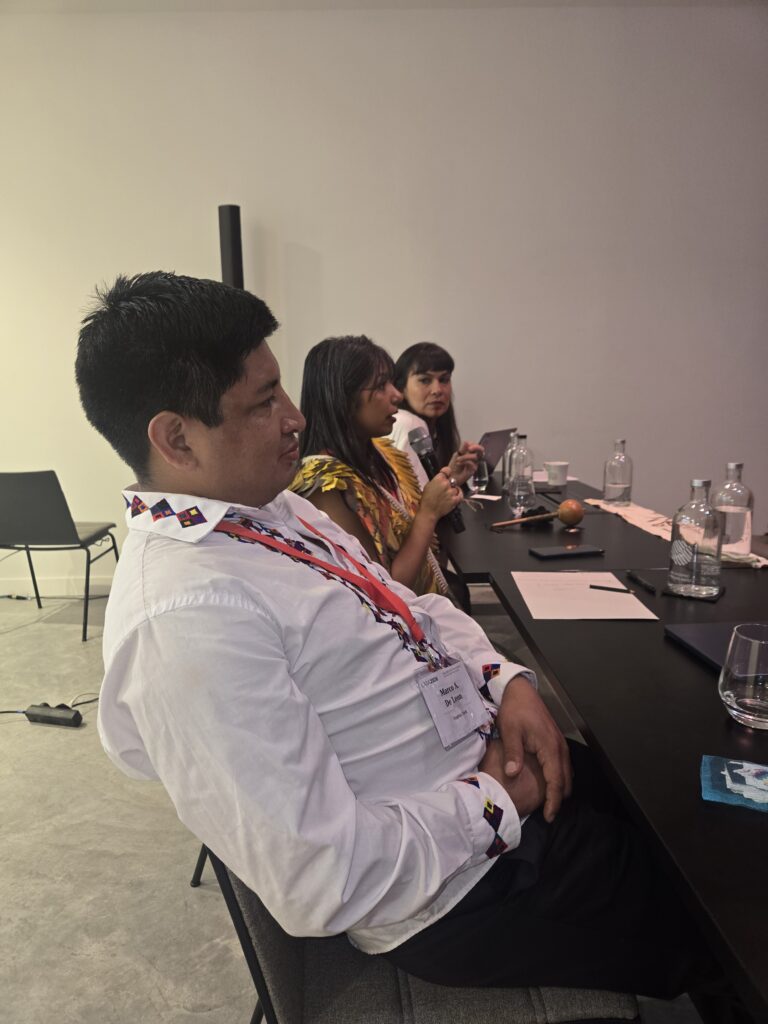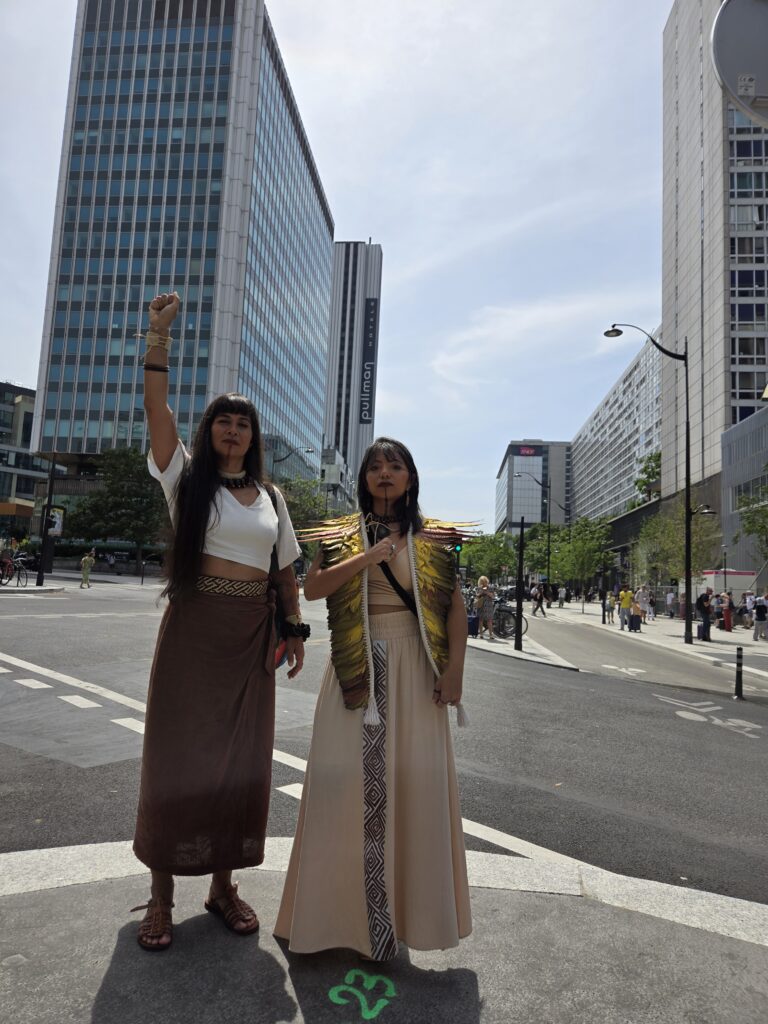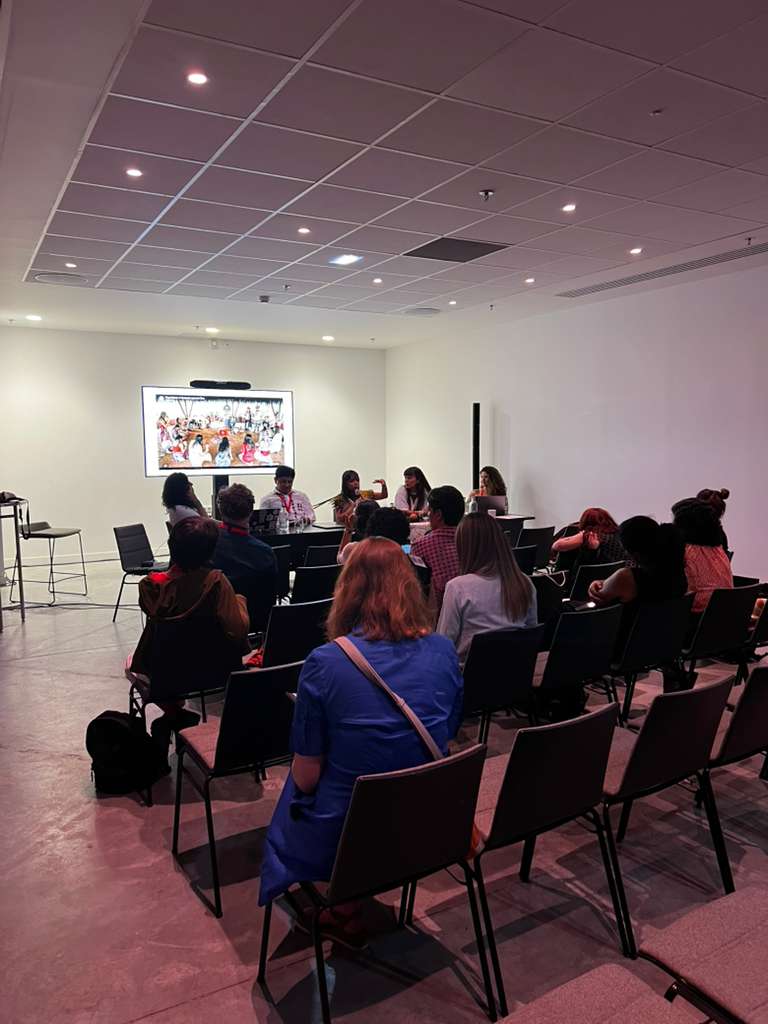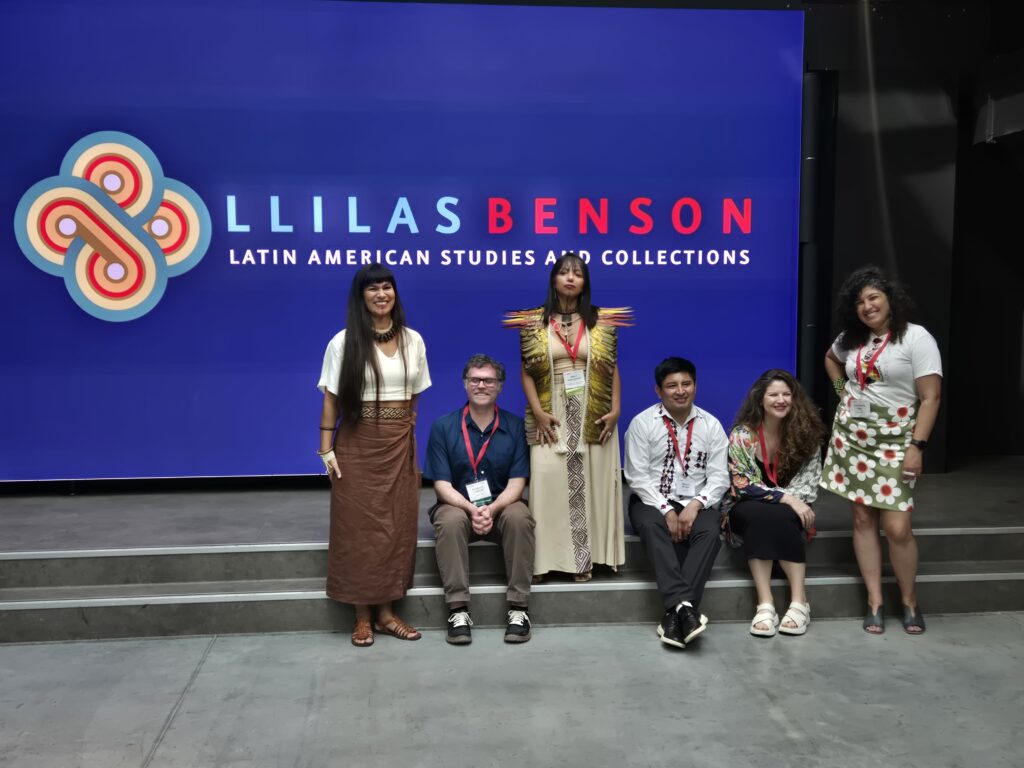

The Pluriversity will be at the Latin American Studies Association that will take place in Paris, May 26-30. Our panel is titled “Pluriversities and Knowledge Production in Abya Yala,” and will happen on May 29, at 3:30pm (CET). Our panel’s description and papers’ abstracts are below.
Panel: Pluriversities and Knowledge Production in Abya Yala
Abya Yala is the kuna term that social movements and Indigenous and decolonial scholars have used to refer to the Americas or to Latin America (Mignolo, 2005; Cusicanqui, 2016; CEPAL, 2020). It semantically opposes the colonial invention of our territories and allows for the creation of spaces of knowing and acting for self-determination, that follow patterns incommensurable with dominant western epistemologies and ontologies. Among these spaces, are the formation of pluriversities. A pluriversity refers to emergent and heterogeneous spaces of teaching, learning, and collective knowledge formation that counterpoints the established universalism of western universities and the erasures of Indigenous and Black knowledges, their sciences and technologies. How are pluriversities shaped by the violence of colonial capitalist assemblages? What distinct epistemologies, knowledges, ethical orientations, and kin relations predominate in these spaces? What multi species relationships, connections to territory, water, and life, and forms of mutual aid sustain them? What technologies and patterns of design do they develop, according to what logics? How do their proposals and demands articulate to other subjects and pluriverses? This panel explores these and other questions from the perspective of Indigenous individuals peoples and collectives who have imagined and created these spaces, been formed in them, and or who have investigated them in solidarity. The papers will discuss Indigenous internet infrastructure in Mexico; Indigenous women’s ecological practices and politics Brazil; Internally displaced Communities of Populations in Resistance, (CPR) in Guatemala; and biocultural memory politics in the United States.
Chairs: Nick Copeland and Fernanda R. Rosa
Discussant: Desiree Poets
Paper: Body-Territory and the Rights of the Mother Earth
Author: Aline Kayapó
This article delves into the intersection between ancestral wisdom, bodily sovereignty, and the protection of ecosystems that sustain traditional communities. By viewing Indigenous women as guardians of water, land, and seeds, we recognize that their knowledge is not merely cultural, but fundamental rights that strengthen the collective struggle for environmental justice. The theme proposes a pluriversal worldview in which nature is a subject of rights, not simply a resource to be exploited, and where women play a central role in governance, environmental education, and resilience in the face of climate impacts, deforestation, and historical violence. The article highlights how management practices, rituals, branches of knowledge, and kinship networks often connect the community with natural cycles, promoting care that goes beyond the human and involves territories, rivers, forests, and medicinal plant species. Furthermore, it addresses the challenges women face, such as forced displacement, violence, and lack of institutional recognition, and how the promotion of the rights of nature intertwines with the protection of women’s rights, self-determination, and the preservation of languages, cultures, and traditions. Finally, the text invites the reader to recognize the importance of listening to women’s voices in formulating environmental policies, encouraging sustainable practices supported by traditional knowledge, and jointly building more equitable paths for coexistence between humanity and nature.
Paper: When Trees and Mountains are Internet Governance Actors: Indigenous Internet Networks and the Environment as Internet Infrastructure
Author: Fernanda R. Rosa
Tseltal and Zapoteco communities in Chiapas and Oaxaca (Mexico) have, for years, built their own internet infrastructure to extend the internet to areas where the services of existing larger internet service providers are unsatisfactory or unavailable. Supported by unlicensed frequencies of the electromagnetic spectrum, towers, radio antennas, houses’ rooftops, routers, and cables, Tseltal and Zapoteco peoples become internet codesigners before becoming social media users. They show how mountains and trees are essential allies when shaping internet governance from below, while lights and storms are, on the other hand, challenges for network maintenance. In this ethnographic work, we present these experiences as ‘shared networks,’ first-mile signal-sharing practices that articulate interconnection infrastructure and values of self-determination and coexistence, such as “comunalidad,” the way of being of these communities for whom the land is part of who they are. This study asks for the repositioning of Indigenous peoples as internet codesigners and the environment as an active actor in internet governance who together have worked to build a pluriversal internet.
Paper: Indigenous Reclamation as a Strategy for Ecological Restoration, Forest Production, and Addressing Climate Crises
Author: Barbara Borum-Kren
An ancient prophecy tells the story of the encounter between the Eagle and the Condor, symbolizing the union of the Indigenous peoples of North and South Abya Yala (the American continent). This ancient promise is fulfilled whenever Indigenous peoples traverse colonial-imposed geographic boundaries to collectively build Bem Viver (Living Well). Indigenous women’s movements, such as the Plurinational Wayrakuna Movement (MPW, in Portuguese), affirm that ways of life based on Bem Viver promote sustainable relationships with the environment. They argue that securing and protecting Indigenous territories must be an essential part of environmental struggles to confront global ecological crises. This work, conducted as part of my postdoctoral internship at the University of Colorado Boulder, within the scope of the Beatriz Nascimento Program for Women in Science (CNPq/Brazilian Ministry of Racial Equality), seeks to understand the dynamics of Indigenous communities in the US and connect them to practices of restoring and reclaiming biocultural memory in their territories. This work of reclamation includes establishing connections with Indigenous leaders, visiting communities, participating in international events, collaborating with Indigenous researchers, and producing scholarship that synthesizes the findings and reflections generated throughout the process. With the creation of the Wayrakuna Center for Indigenous Ancestral Sciences (CWIAS), this stage of the research materializes the Eagle-Condor prophecy, fostering an academic, cultural, and spiritual pluriversal platform for exchange among Indigenous women researchers from across Abya Yala.
Learning in the Shadows of Violence: Communities of Populations in Resistance (CPR) as Pluriversity
Author: Marco Antonio de León Ceto
This paper examines the experience of the Communities of Population in Resistance (CPR), in Guatemala as a pluriversity, with an emphasis on the ethical orientations shaping their use of technology. During the scorched-earth offensives of 1981–82, the Guatemalan army destroyed more than 400 towns and villages in the rural highlands. Indiscriminate attacks targeted Mayan peasants and produced widespread displacement. Hundreds of thousands fled to Mexico, while others sought refuge in remote forest and highland areas. There, approximately 23,000 people survived for over a decade under dire conditions of hunger, persecution, and violence.
Despite their vulnerability, the CPR gradually organized themselves into clusters of autonomous communities. In contrast to counterinsurgency logic that justified the extermination of Maya people in part because of their “backwardness,” I examine how the CPR relied upon extensive knowledge and creative use of technology. Their survival was sustained through adapting subsistence farming while the army attempted to destroy their crops. Beyond material survival, the CPR forged mutual support networks, collective decision-making, and cultural continuity across linguistic and ethnic differences.
This paper analyzes testimonies and interviews to examine how the CCR created spaces of autonomous learning and adaptation, where knowledge of agriculture, community care, and resistance intertwined. The CPR illustrates how pluriversities emerge not in idealized conditions but through struggle, necessity, and refusal, offering critical lessons for reimagining worlds beyond colonial and state-imposed frameworks.