
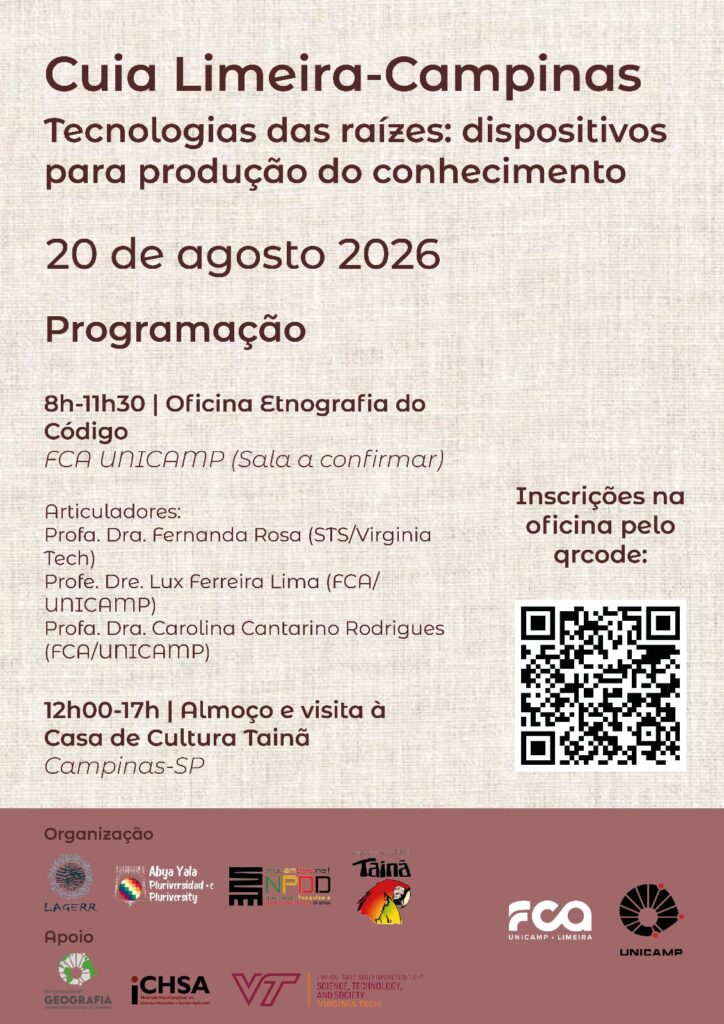
August 20, 2026
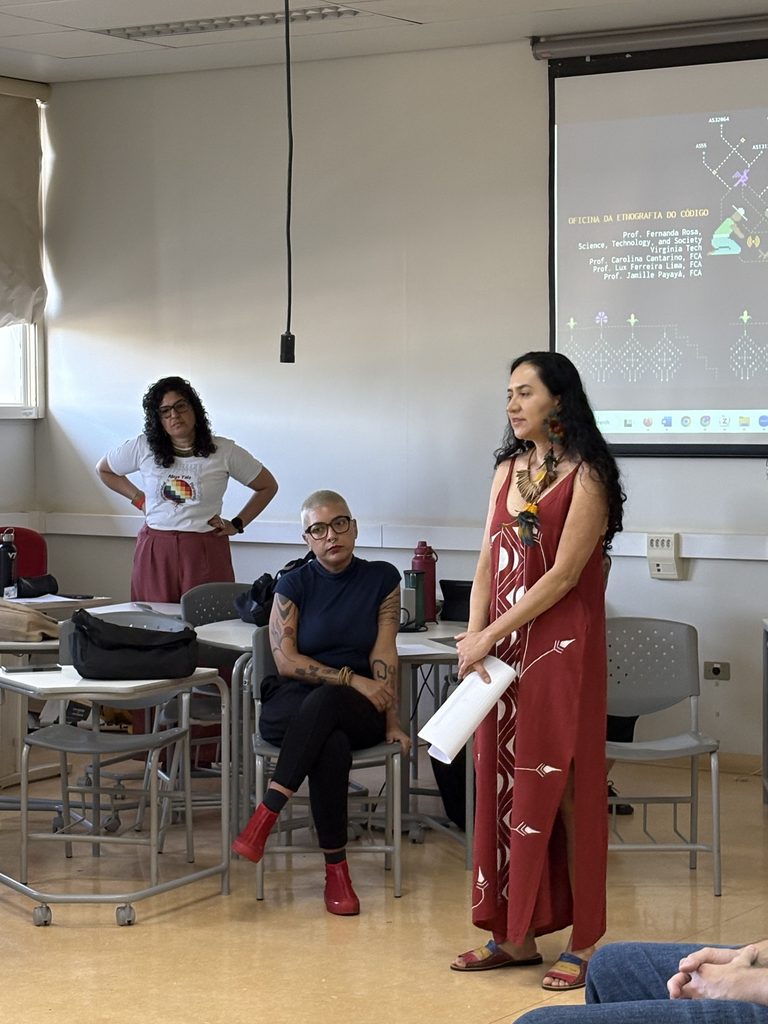
8:00–11:30 AM | Code Ethnography Workshop
FCA UNICAMP (Room to be confirmed)
Organizers:
Prof. Dr. Fernanda Rosa (STS/Virginia Tech)
Prof. Dr. Lux Ferreira Lima (FCA/UNICAMP)
Prof. Dr. Carolina Cantarino Rodrigues (FCA/UNICAMP)
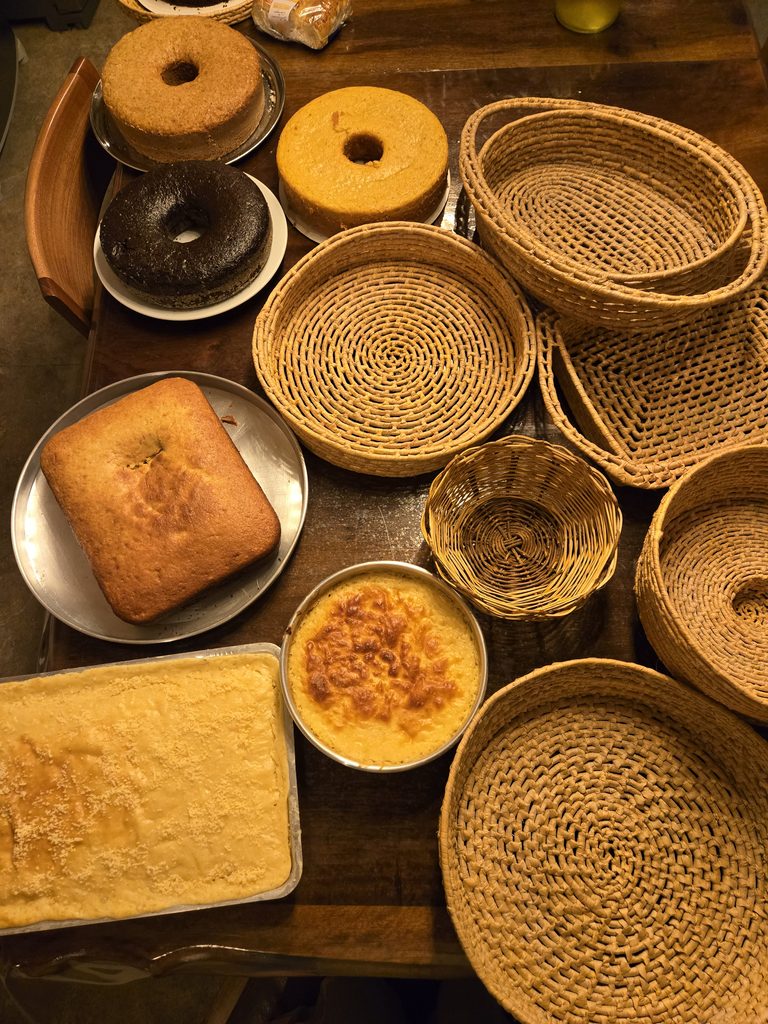
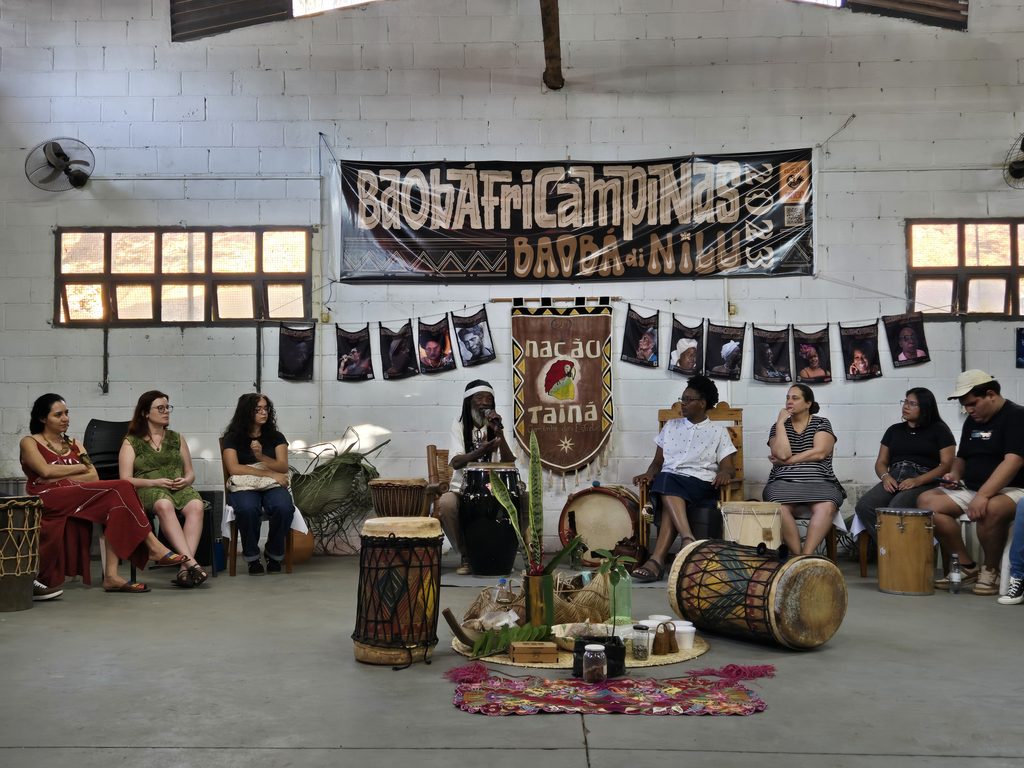
12:00–5:00 PM | Lunch and Visit to Casa de Cultura Tainã
Campinas, São Paulo
Workshop registration via QR code
Code Ethnographic Workshop
As digital technologies come to occupy ubiquitous and unprecedented spaces in everyday life, research methodologies that enable us to understand the code underlying these technologies are becoming increasingly important. The Risk and Resilience Geography Laboratory at the School of Applied Sciences at UNICAMP, Pluriversity Abya Yala, Casa Tainã, and the Digital Development Center of the Mocambos Network invite students and faculty to participate in a workshop on code ethnography.
In simple terms, code is what makes a routine or an application work. Code ethnography is a method for examining code as a sociotechnical actor—neither purely technical nor purely social—by considering its social, political, and economic dimensions within the context of digital infrastructures (Rosa, 2022). From large language models (LLMs) to internet protocols, from software used in digital medical devices to social media algorithms that mediate our data, code ethnography allows us to study any type of code within its own context.
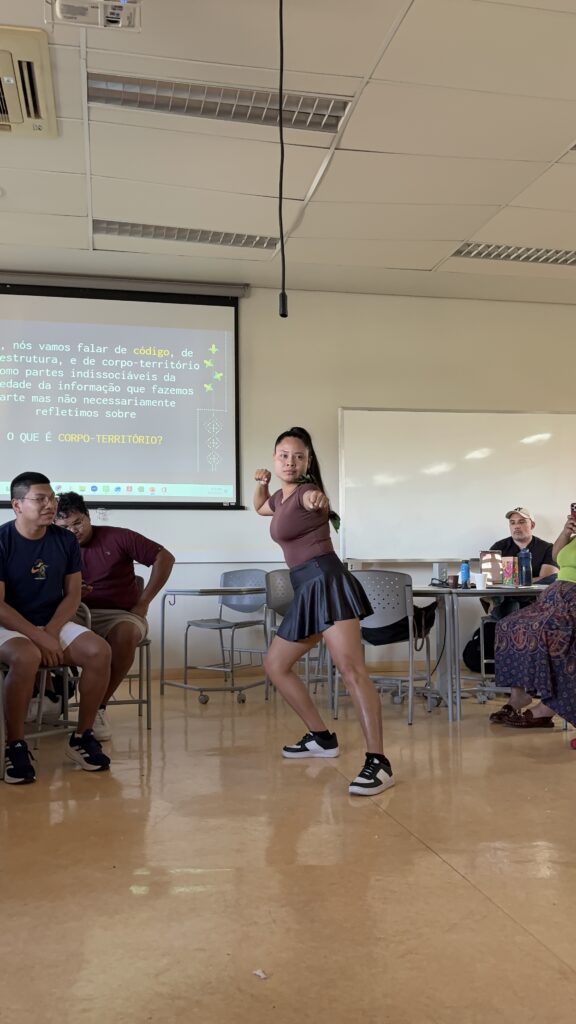
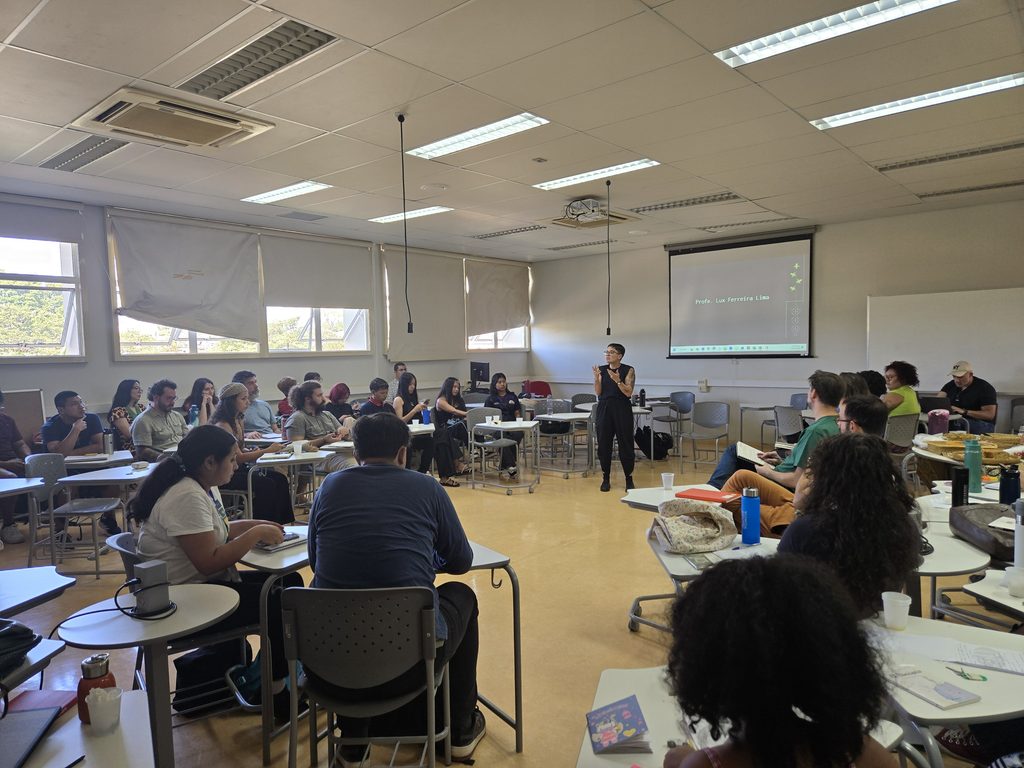
This three-and-a-half-hour workshop will be facilitated by faculty members with diverse backgrounds and expertise in code, ethnography, and digital and non-digital technologies. They will guide participants through multiple dimensions of code ethnography, applying the method to a piece of code selected by the participants themselves. No preparation or previous programming experience is required. Participants with disabilities and other accessibility needs are also very welcome to take part in this activity.
Drawing on long-term research involving Indigenous and non-Indigenous engineers, data centers, and different territories, code ethnography begins with the premise that infrastructure is an expression of the codes it carries, just as our bodies express the cultural codes we carry with us. Participants will engage in a brief ethnographic investigation of code and infrastructure, gaining practical knowledge that will enable them to replicate the activity after the workshop.
By the end of the workshop, participants are expected to understand the benefits of integrating code into research in the social sciences and humanities, as well as the importance of understanding its social dimensions in engineering and computer science research. Through hands-on exercises, participants will gain a clearer understanding of the role of code ethnography and how to examine code as language, shedding light on the values and power relations that code embodies and expresses in everyday life.
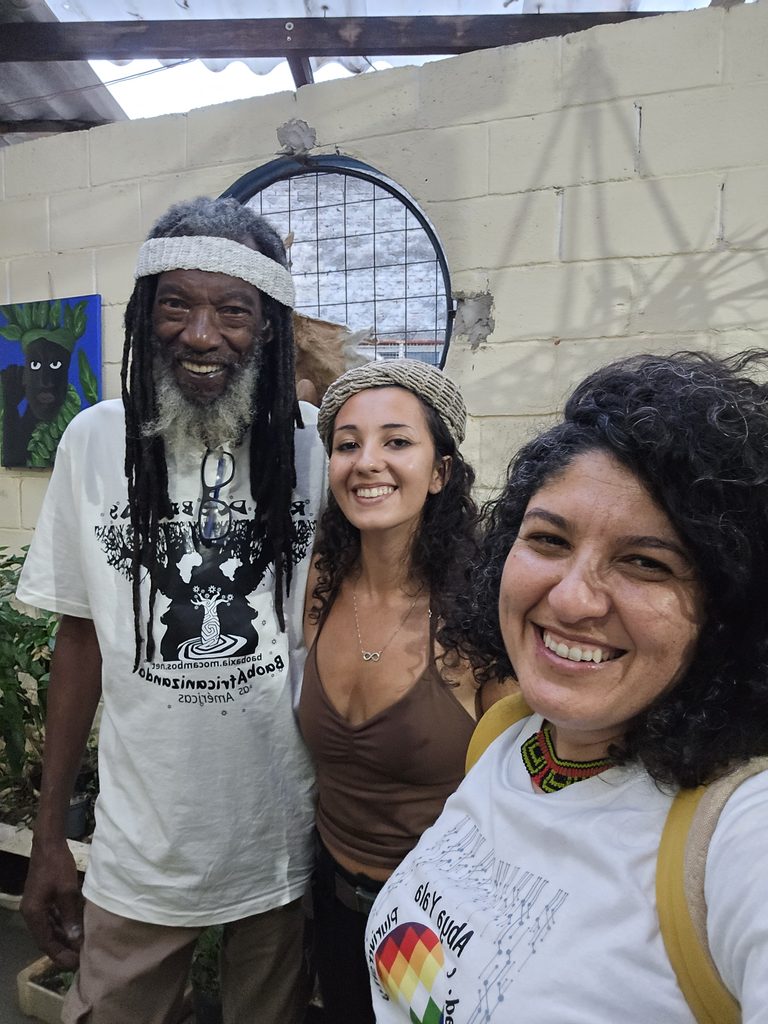
Following the workshop, we will visit Casa de Cultura Tainã in Campinas, an urban marroon, where we will continue exploring the role of code in technological autonomy projects developed by Casa Tainã and the Mocambos Network.
Facilitators
Carolina Cantarino Rodrigues (she/her)
Associate Professor, School of Applied Sciences, UNICAMP
Fernanda R. Rosa (she/her)
Associate Professor of Science and Technology Studies, Virginia Tech
Lux Ferreira Lima (ili)
Associate Professor, School of Applied Sciences, UNICAMP