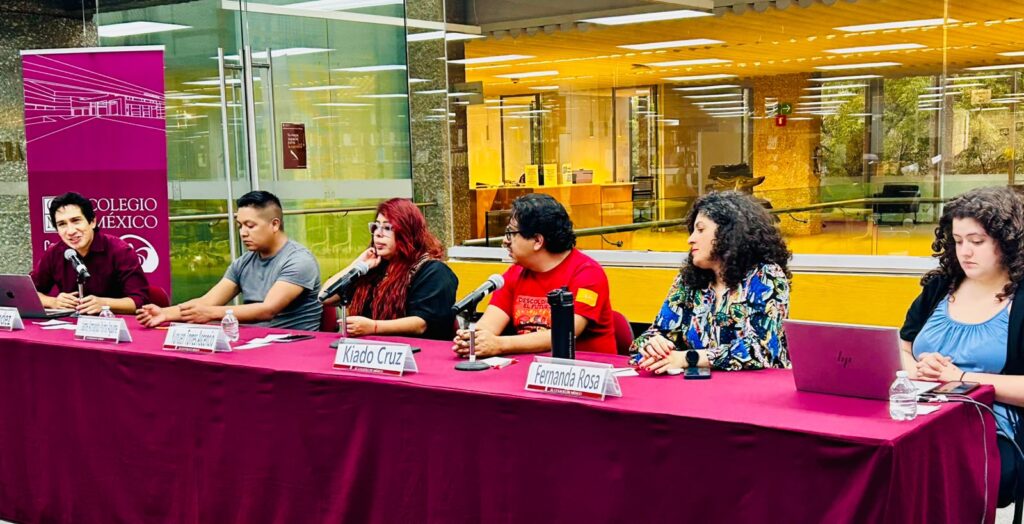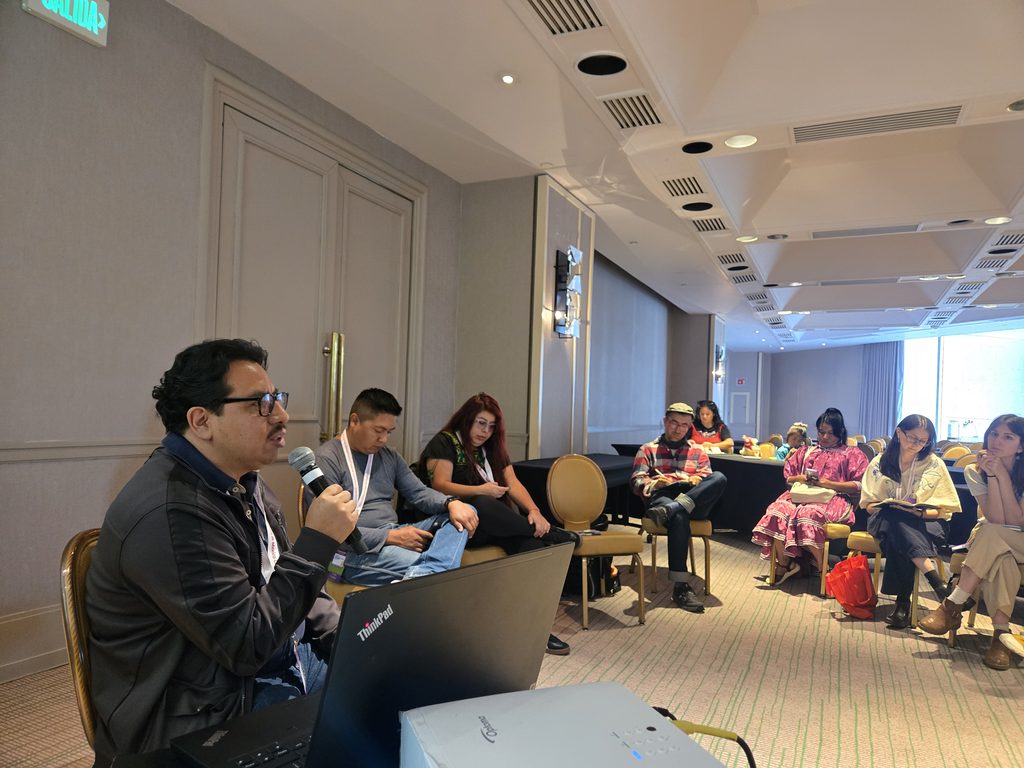

Panel: Regenerative Infrastructures: Indigenous technological autonomy and community networks in Mexico.
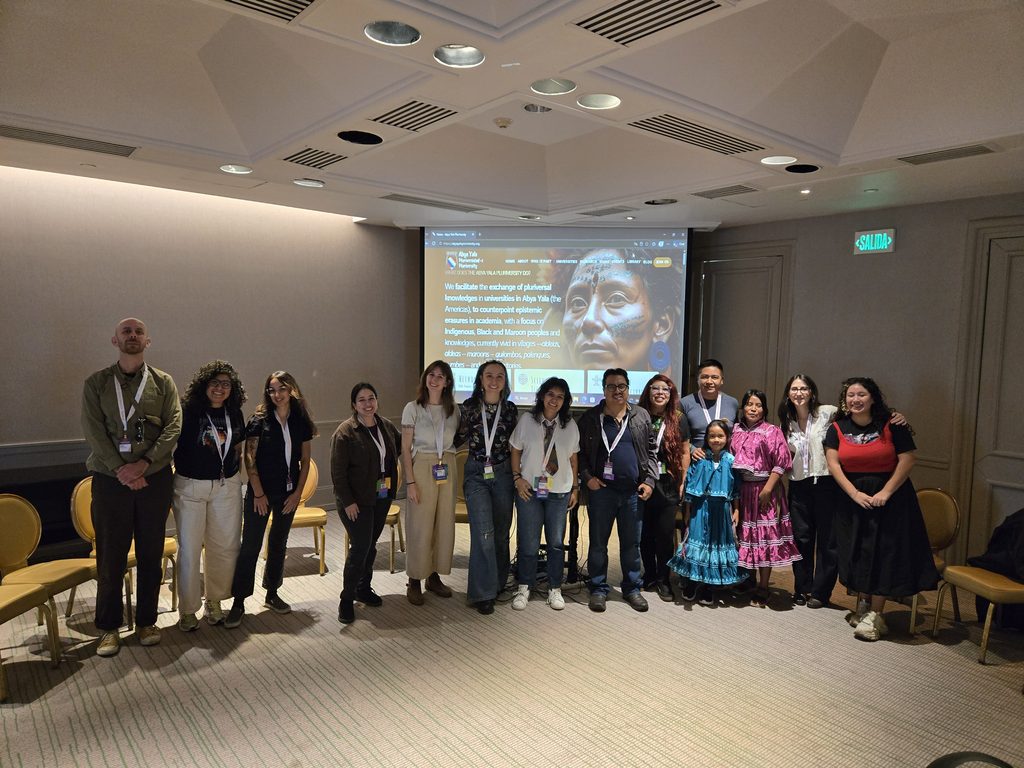
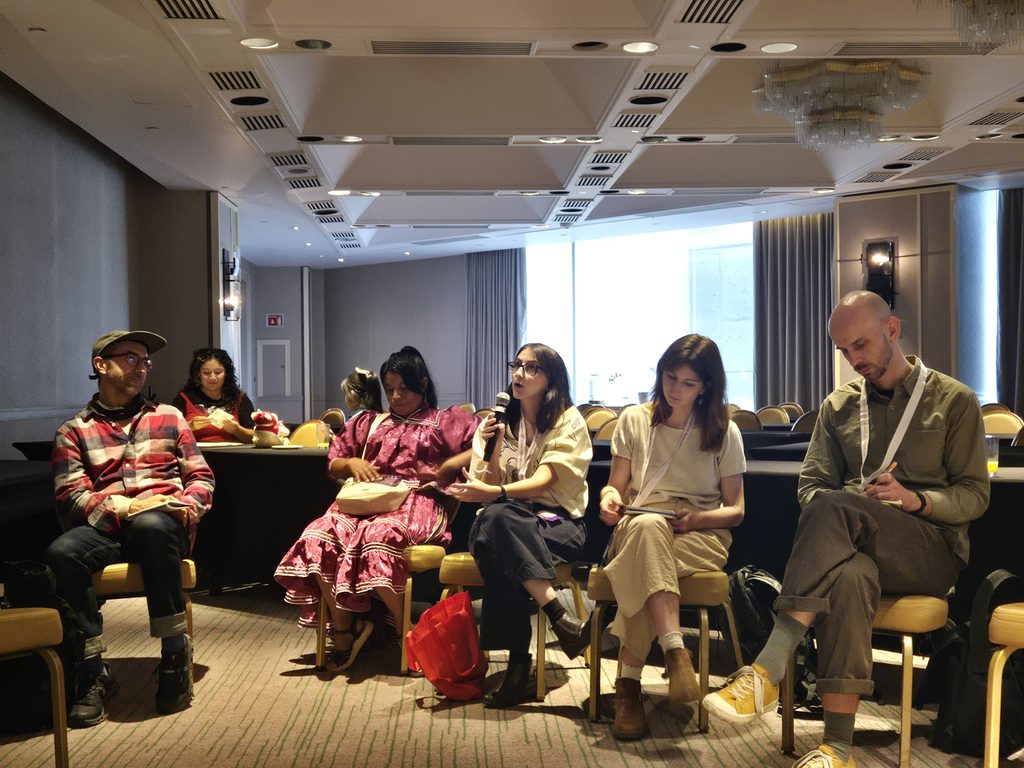
The panel brought together representatives of Indigenous community networks and technological initiatives to explore alternative approaches to digital infrastructures in Mexico. As part of the 2026 Association of Internet Researchers (AoIR) conference, the roundtable examined how Indigenous communities are developing and managing their own communication technologies, challenging conventional models of internet governance and promoting technological autonomy grounded in communal values.
The discussion centered on the concept of comunalidad, which reflects Indigenous ways of living, thinking, and organizing collective life (Martínez Luna, 2015). From this perspective, technological infrastructures are not simply tools for connectivity but also spaces where communities can exercise self-determination, preserve cultural identities, and strengthen relationships within their territories. The panel highlighted how Indigenous-led initiatives are reimagining digital technologies to respond to local needs, rather than relying exclusively on infrastructures shaped by commercial interests and data extraction.
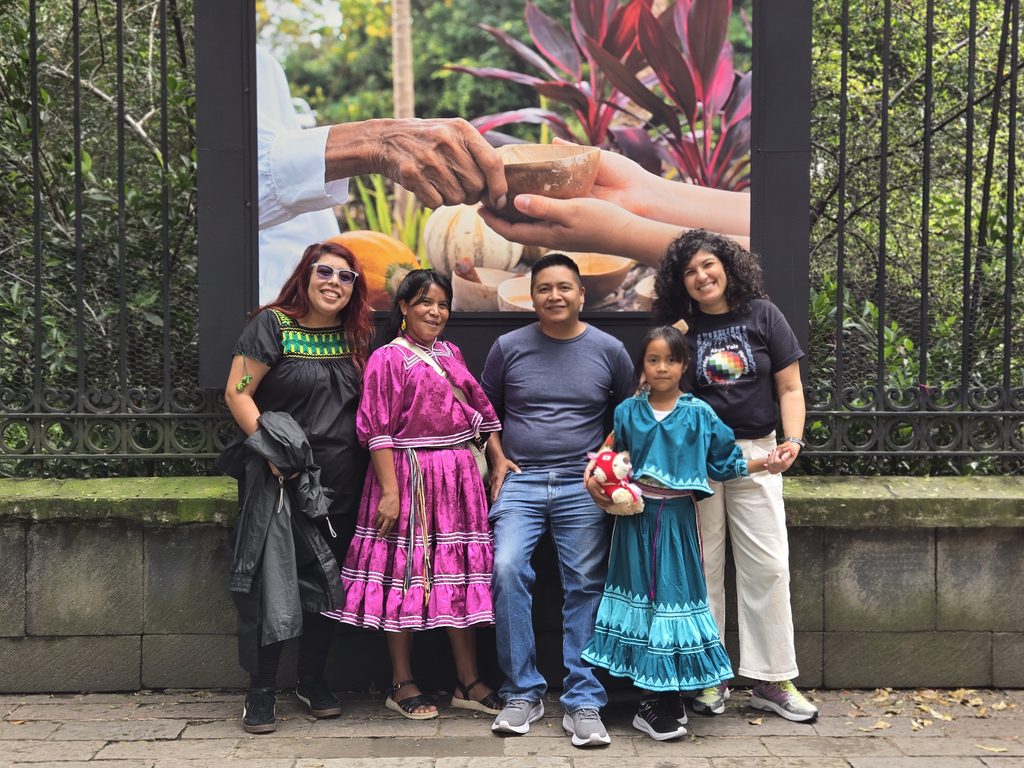
During the roundtable, participants shared experiences from four community-led technological initiatives across Mexico. Nicacia Lino presented Wiki Katat, a Náhuatl cellular network organized through a cooperative mobile virtual network operator model. Jaime Armando Palma Aguirre discussed Red Kwechi, a Rarámuri internet network developed through community management and low-Earth-orbit satellite services. Yunuen Torres introduced communication initiatives in Cherán, highlighting the P’urhépecha community’s efforts to defend its territory through community media and a women-managed intranet. Melquiades (Kiado) Cruz shared perspectives from Indigital, an initiative exploring intercultural and Zapoteco approaches to digital technologies in Oaxaca. The discussion was moderated by Fernanda Rosa, a professor of Science and Technology Studies at Virginia Tech and founder of the Abya Yala Pluriversity.
Through these exchanges, the panel created a space for reflecting on the possibilities of regenerative digital infrastructures rooted in Indigenous knowledge and community practices. By bringing together experiences from different territories, the discussion emphasized how community networks can support linguistic preservation, collective resilience, and technological self-determination while offering alternative visions for the future of internet connectivity.