
Code Ethnography: A Practical Workshop for Internet Researchers
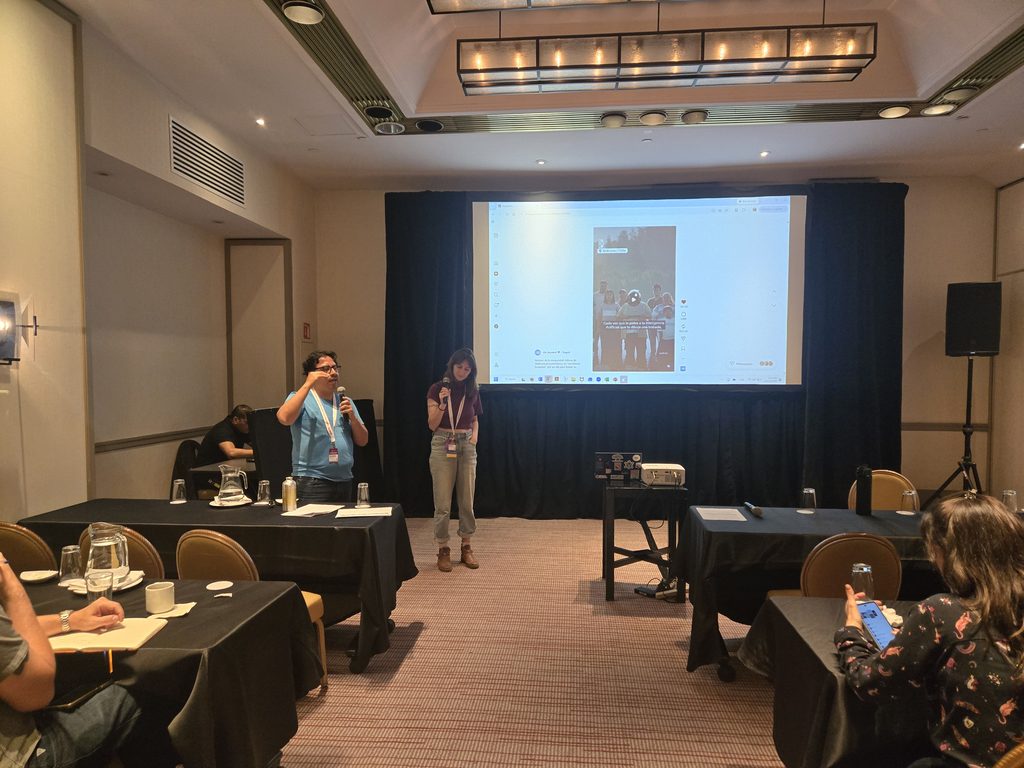
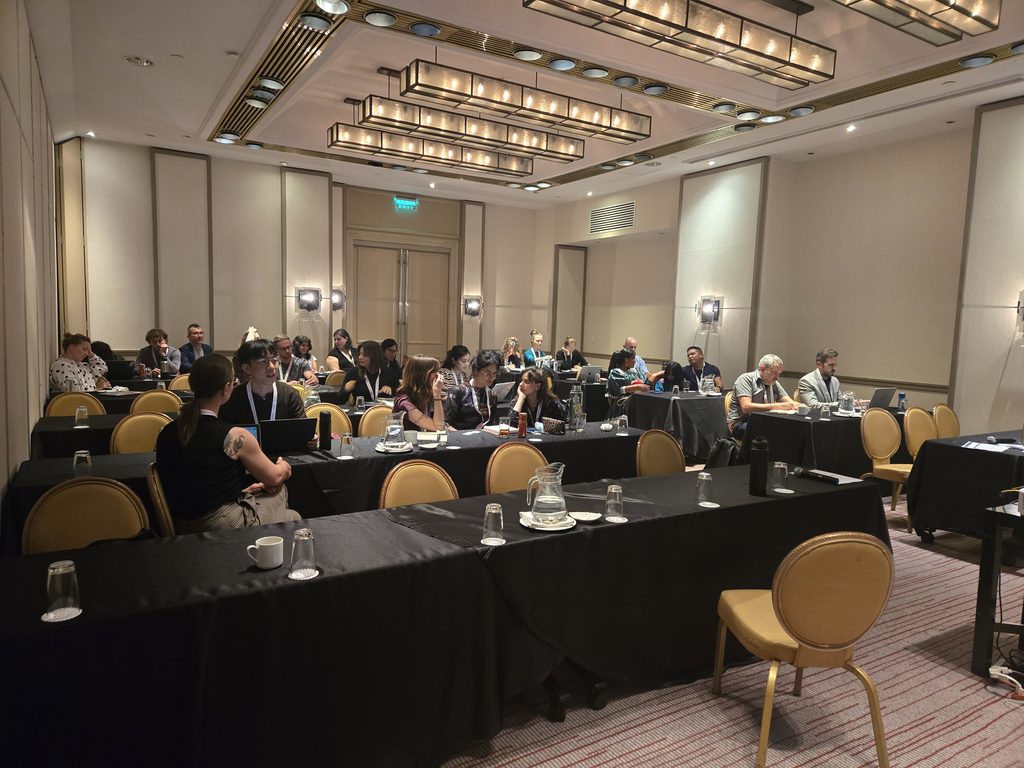
On October 14, 2026, the Code Ethnography Workshop took place in Mexico City, facilitated by Fernanda Rosa, an assistant professor of decolonial science and technology studies at Virginia Tech, and Melquiades (Kiado) Cruz, a Zapoteco scholar working on internet governance and Indigenous rights. The workshop introduced participants to code ethnography, a research method that examines computer code beyond its technical functions, exploring how it reflects and influences social, political, and economic relationships within digital infrastructures.
Code ethnography approaches code as a sociotechnical actor, recognizing that it is not simply a set of instructions that makes digital applications work, but also a product of the social contexts in which it is created and used (Rosa, 2022). From this perspective, code can reinforce inequalities, shape access to technologies, and influence whose knowledge, identities, and experiences are represented or excluded. The method encourages researchers to examine code as a language, identifying its underlying structures, values, and relationships with the communities and environments in which it operates.
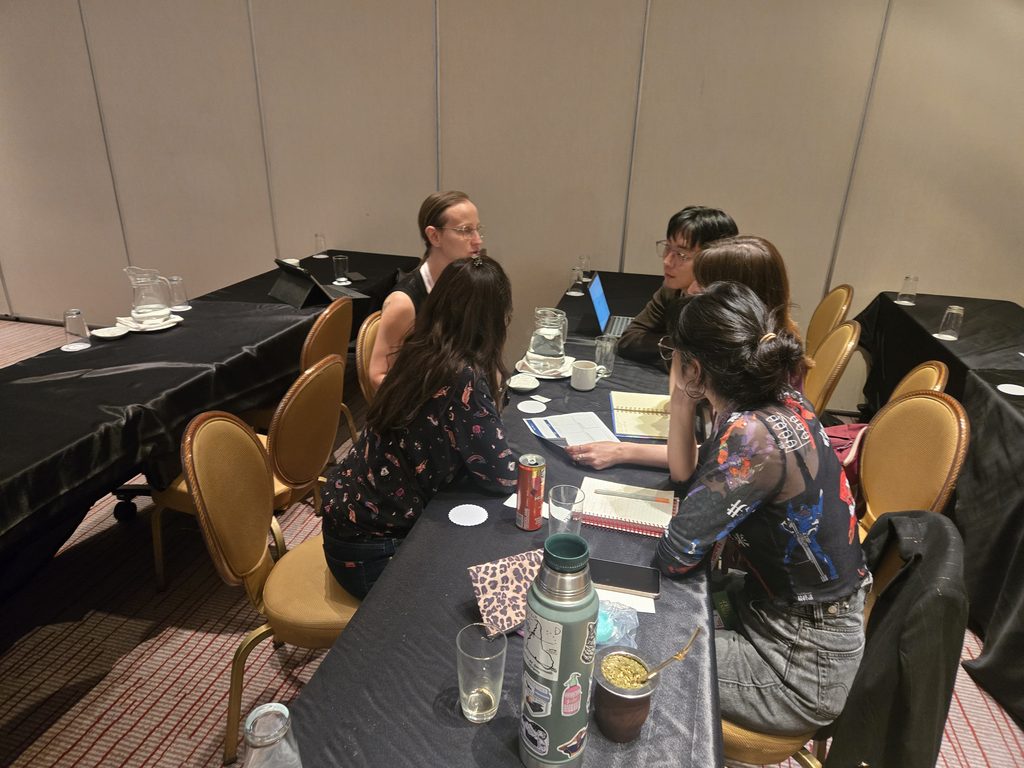
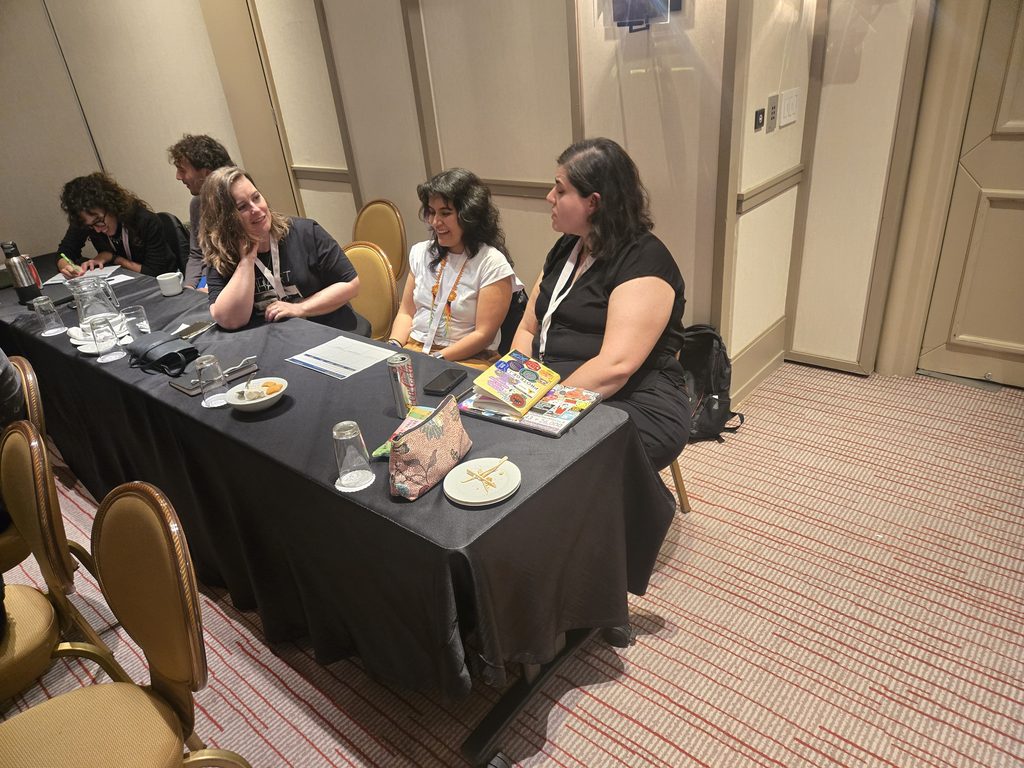
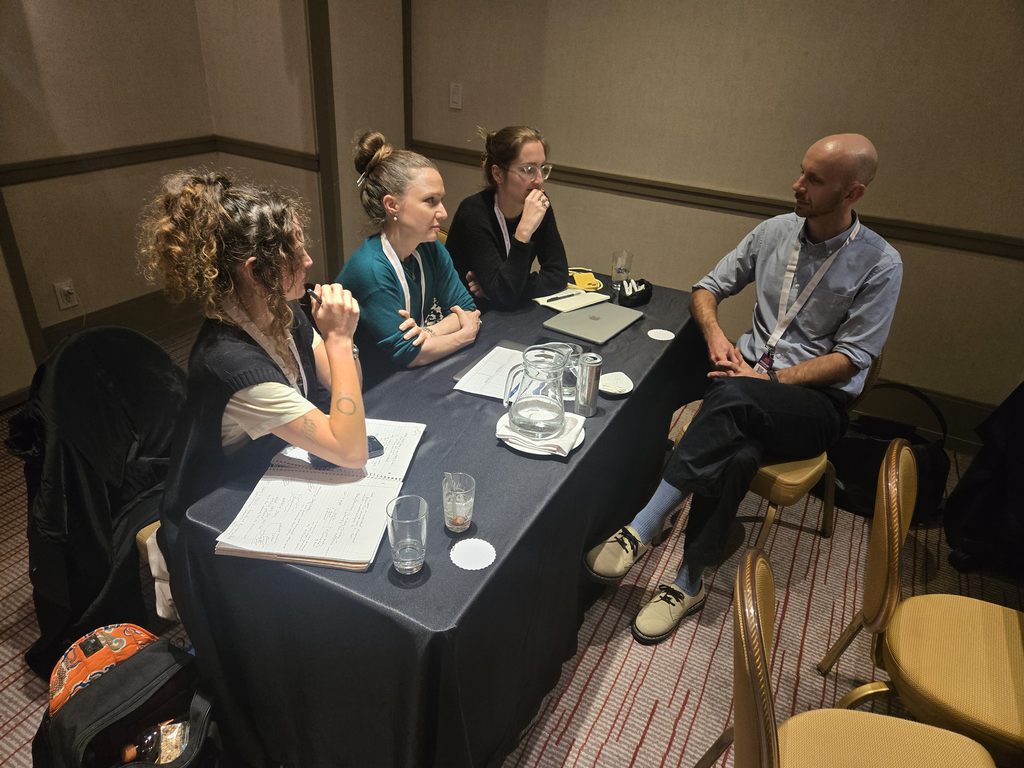
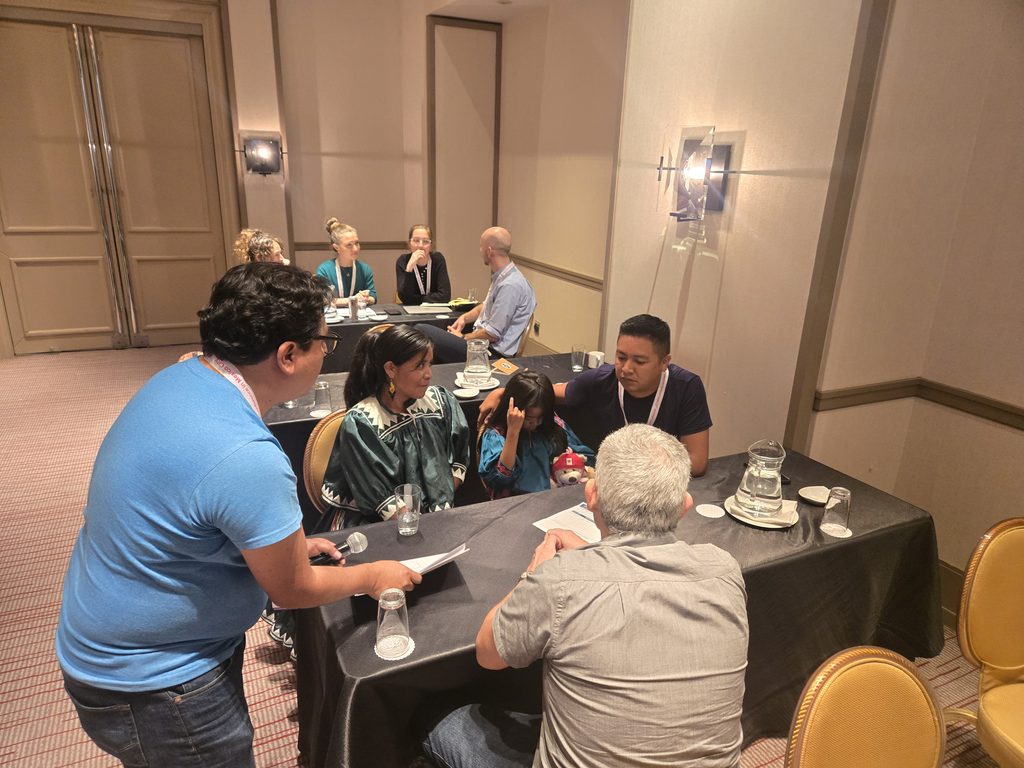
During the workshop, participants explored these concepts through practical exercises, applying code ethnography to code of their choice. Guided by the facilitators, they engaged in a brief ethnographic investigation of code and digital infrastructures, documenting their observations and analyzing how technical decisions can reflect broader social dynamics. The activities were designed to be accessible to participants without previous programming experience, encouraging different perspectives and ways of engaging with technology.
Through these discussions and hands-on activities, the workshop created a space for participants to reflect on the relationship between technology and lived experiences. By examining code as both a technical and social element, participants were introduced to alternative approaches to studying digital infrastructures and gained practical knowledge of how code ethnography can be applied in future research.